How to Perform CPR on an Unresponsive, Choking Adult
Get link
Facebook
X
Pinterest
Email
Other Apps
Discover the crucial differences in administering CPR to an unresponsive adult choking victim, including step-by-step guidance and lifesaving tips. Learn to act swiftly and effectively in emergencies.
To Know More: https://www.simplecpr.com/online-cpr-blog/how-does-cpr-differ-in-an-unresponsive-choking-adult-victim/
When performing cardiopulmonary resuscitation (CPR), a common concern is, does CPR break ribs? This question often arises because of the force required to deliver effective chest compressions. CPR is a critical life-saving technique used during cardiac arrest to keep blood and oxygen flowing to vital organs, but it can also cause physical injuries. While broken ribs are a potential outcome, they are not guaranteed, and their occurrence depends on factors such as the victim’s age, bone density, and the depth of compressions. Despite this risk, life-saving takes precedence, as the alternative is often fatal. Understanding the relationship between CPR and possible rib fractures helps alleviate fear and promotes confidence in performing this crucial procedure. This article explores the likelihood of rib injuries during CPR, the importance of proper technique, and why immediate action is always better than hesitation during an emergency. Common Side Effects of CPR CPR can cause side ...
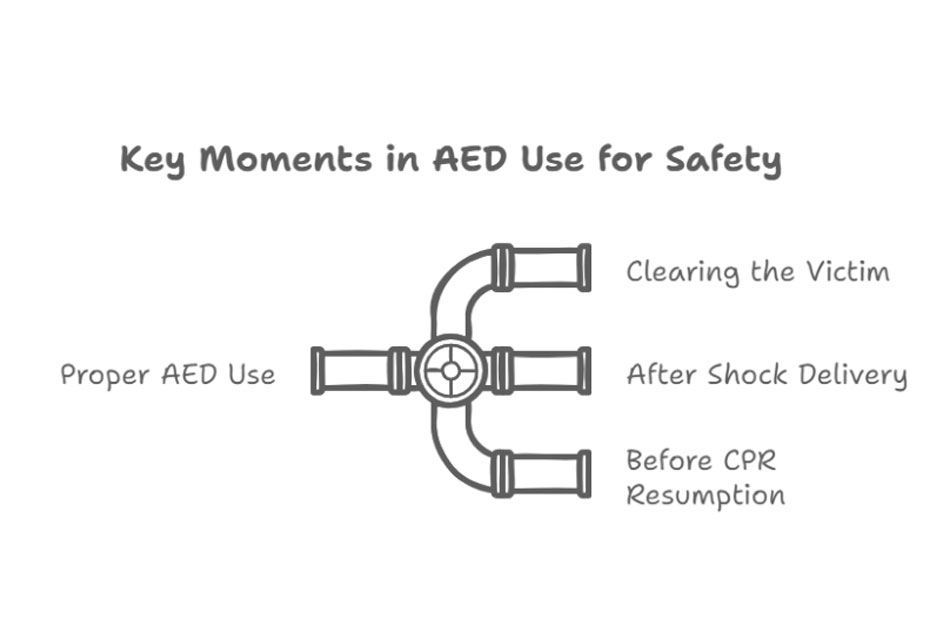
An automated external defibrillator (AED) is crucial for saving lives during sudden cardiac arrest. It analyzes the heart’s rhythm and, if necessary, can give an electric shock to restore a normal heartbeat. However, using an AED correctly is essential to keep both rescuer and the victim safe. One key question in AED use is: When should the rescuer operating the AED clear the victim? Clearing the victim means ensuring no one touches them during specific moments in the rescue process. This is critical to prevent accidental shocks to bystanders and to allow the AED to function correctly. The most important time to clear the victim is after an AED delivers a shock and before performing CPR again. Following the AED’s voice prompts carefully can make the difference between life and death. Understanding when to clear the victim ensures a safer, more effective rescue process. Understanding AEDs An automated external defibrillator (AED) is a life-saving device used during sudden cardia...
When considering a career in lifesaving or aquatic safety in the United States, one critical question often arises for those trained in Canada: “Does Canadian lifesaving certification work in the US?” This query touches on the compatibility and recognition of lifesaving qualifications across borders, which is vital for professionals planning to work in different countries. Canadian lifesaving certifications, endorsed by reputable organizations like the Lifesaving Society of Canada, are highly regarded due to their rigorous training standards. However, transferring these certifications to the U.S. involves understanding specific regulatory requirements and potential re-certification processes. This article goes in-depth on the validity of Canadian lifesaving certifications in the U.S., detailing the necessary steps and considerations for those seeking to leverage their Canadian credentials in American aquatic environments. Does Canadian Life-Saving Certification Work in the US? F...

Comments
Post a Comment